

Rebuild Trust and Reconnect With Your Partner
Strengthen your relationship through improved communication, trust building, and deeper emotional connection. Couples counseling in Renton for partners at any stage — whether you’re navigating conflict, rebuilding trust after a breach, or simply want to grow closer.
In person in Renton, WA · Online throughout Washington · Most insurance accepted
In Short
In person in Renton, WA
Online throughout Washington
Most insurance accepted
Self-pay $50–$175

Insurance
Premera, Cigna, Aetna, Kaiser, Molina, Coordinated Care, Community Health Plan, WellPoint, TriCare, United.
Availability
Now accepting new clients — in person and online.
Schedule Your Consultation ›
From Our Blog
What Is Couples Therapy?
Two lives, one connection. Couples therapy strengthens the bond in the space between you.
Couples therapy — often called marriage counseling or marriage therapy — is structured support for two partners working on a relationship together, guided by a licensed therapist. All couples are welcome here — dating, engaged, married, or long-term partners; LGBTQ+ couples; and non-traditional relationships, including polyamorous and open partnerships. Sessions focus on the pattern you and your partner get stuck in — not just today’s disagreement — so you build tools you can keep using long after therapy ends.
- You keep having the same argument without resolving it
- Trust has been broken and you’re working to rebuild it
- You’ve drifted apart and want to reconnect
- You’re navigating a major life transition together — a new baby, a move, retirement, blending families
- You’re engaged or newly committed and want to build a strong foundation (premarital)
- You’re considering separation and want clarity before deciding
- Things are okay, but you want a “tune-up” before a small issue becomes a big one
The Patterns That Bring Couples In
Most couples do not struggle because they stopped caring — they get caught in a cycle. One partner pursues (raises it again, pushes for a response) while the other withdraws (goes quiet, shuts down), and each move triggers the other. Four patterns tend to show up when couples are in distress — criticism, contempt, defensiveness, and stonewalling (often called the “four horsemen”) — and most arguments that go nowhere are running on at least one of them.
Couples therapy interrupts the cycle itself, rather than refereeing its content — because the fight about dishes was never really about dishes.
Relationship Check-In
A few quick reflections — not a test, just a starting point.
Types of Couples Therapy We Use
Most relationship conflict is not really about the dishes or the schedule — it is about an underlying fear of disconnection. Our therapists help partners see the cycle they are stuck in, slow it down, and build practical tools for healthier communication, stronger boundaries and repair after a rupture. You will be matched with a therapist who works with couples and has availability that fits your schedule.
- Repeating arguments that never resolve
- Feeling more like roommates than partners
- Rebuilding closeness after a breach of trust
In sessions your therapist slows the argument down in real time, helps each of you find the softer feeling underneath the anger or distance, and coaches you to say it in a way your partner can actually take in. It follows a structured three-stage path with decades of couples outcome research behind it. Read more about EFT →
- Inner criticism and harsh self-talk
- Feeling pulled in two directions at once
- Old wounds that resurface in current relationships
In couples work, IFS helps each partner notice which part is doing the talking mid-conflict — the critic, the withdrawer, the fixer — so the conversation can come from a steadier place. When each of you can speak for your parts instead of from them, the same argument goes somewhere new. Read more about IFS →
- Fear of abandonment or of being crowded
- Patterns that repeat across every relationship
- Difficulty trusting or depending on others
Knowing whether you each lean anxious or avoidant turns baffling fights into a predictable pattern with handholds: the pursuer learns what their protest is really asking for, the withdrawer learns their retreat reads as abandonment, and both get a map.
- Feeling unsafe or on guard in sessions
- Needing to control the pace of the work
- Past therapy that moved too fast
Practically, that means no ambushes in session, pacing both partners can tolerate, and extra care where one or both of you bring trauma histories into the relationship — because old alarms often ring loudest with the person closest to us.
More About Couples Therapy
Open any of these for the questions couples usually ask before they ever call.
When is it time to start couples therapy?
Most couples wait far longer than they should — usually years after the same fight started repeating. Useful signals that it is time: conversations that only happen in conflict or logistics, keeping score, going quiet to keep the peace, a roommate feeling, or one of you starting to imagine life apart. Earlier is genuinely easier; patterns that are months old bend faster than patterns that are decades old.
Can one partner change the relationship alone?
Partially, yes. A cycle needs both people to keep running, so when one person changes their steps — responding instead of reacting, naming the feeling under the frustration — the cycle has to change shape. Individual work on relationship patterns is a real starting point, and reluctant partners often join once something visibly shifts.
What if we are not sure we want to stay together?
You can come to couples therapy without having decided. Some of the most useful work happens exactly there: getting honest about what is broken, what is repairable, and what each of you actually wants — with a therapist who has no agenda about the outcome. If the answer turns out to be separation or divorce, therapy can help you do that with less damage, especially where children are involved.
What happens when we argue in the session?
It is expected, and it is useful. Your therapist will slow the exchange down, interrupt the escalation before it goes where it always goes, and use the live moment to show you the cycle while it is actually happening — which teaches more than any description of it. Sessions stay safe: the goal is to study the fight, not to have it.
What to Expect: Your First Session and Beyond
Fill out the contact form or call the office. We’ll match you with a therapist who fits and schedule a complimentary consultation.
Your therapist gets to know both of you — what brought you in and what each of you wants to be different.
Together you start naming the cycle you get stuck in and building tools for communication and repair.
Sessions continue at a pace that works for you — usually weekly to start — with regular check-ins on what’s changing and what still needs work.
Frequently Asked Questions
Is couples therapy the same as marriage counseling?
Yes — marriage counseling is simply the older name for the same work. Whether you are married, partnered, engaged, or dating, couples therapy addresses the same things: communication, trust, intimacy, and the patterns that keep you stuck. Our therapists work with couples at every stage, including premarital counseling.
Do you work with LGBTQ+ and non-monogamous couples?
Yes. Our therapists work with couples of all orientations and gender identities, and with consensually non-monogamous relationships, including polyamorous and open partnerships. Your relationship structure is never treated as the problem — the work focuses on what couples therapy always focuses on: the pattern between you, communication, trust, and connection.
How much does couples therapy cost?
Couples and family sessions run $50–$175 depending on which therapist you see. We accept most major insurance, and self-pay is welcome. A limited number of reduced-fee spots are available.
Does insurance cover couples counseling?
Often, though coverage for relationship counseling varies more than it does for individual therapy. We accept Premera, Cigna, Aetna, Kaiser, Molina, Coordinated Care, Community Health Plan, WellPoint, TriCare and United. Contact us and we will check your specific plan before you book.
What happens in the first couples therapy session?
Mostly listening. Your therapist will ask what brought you in, what each of you wants to be different, and a little history. You will not be asked to relive your worst argument on day one.
What if my partner does not want to come to couples therapy?
This is one of the most common situations we see, and it does not have to stop you. Starting on your own is genuinely useful — relationship patterns can shift when one person changes their part in the cycle, and reluctant partners often join later once they see the difference. A complimentary consultation is also a low-pressure way for a hesitant partner to meet a therapist before committing to anything.
Can couples therapy help after an affair?
Yes — affair recovery is some of the most structured work couples therapy does. It moves in order: rebuilding safety and transparency first, understanding how the affair happened second, and rebuilding trust at a pace both partners can sustain. Many couples come out of this work with a more honest relationship than they had before the betrayal.
Do we both have to come to every session?
No. Many couples start together, then mix in individual sessions. Some people begin on their own and bring their partner in later. Any of those is a normal way to start.
How long does couples therapy take?
It depends what you are working through. Many couples work with their therapist for a few months — often somewhere in the 8–20 session range — and some notice a difference sooner; rebuilding after infidelity or a long period of distance usually takes longer. Your therapist will review progress with you as you go.
Is online couples therapy as good as in person?
Yes. Telehealth uses the same approaches, and many couples find it easier to attend consistently when they do not have to coordinate travel. We offer online sessions throughout Washington.
Is what I share in couples therapy confidential?
Yes — the same confidentiality protections that apply to individual therapy apply here. Many couples therapists also use a “no secrets” approach, where anything shared individually may inform the joint work. Your therapist will walk you through their specific approach to confidentiality before you begin, so there are no surprises.
Therapists Who Offer Couples & Relationship Counseling
Click any therapist to read their full profile
 Natalie Kim, LMFTAAttachment-based, integrative care.View Profile ›
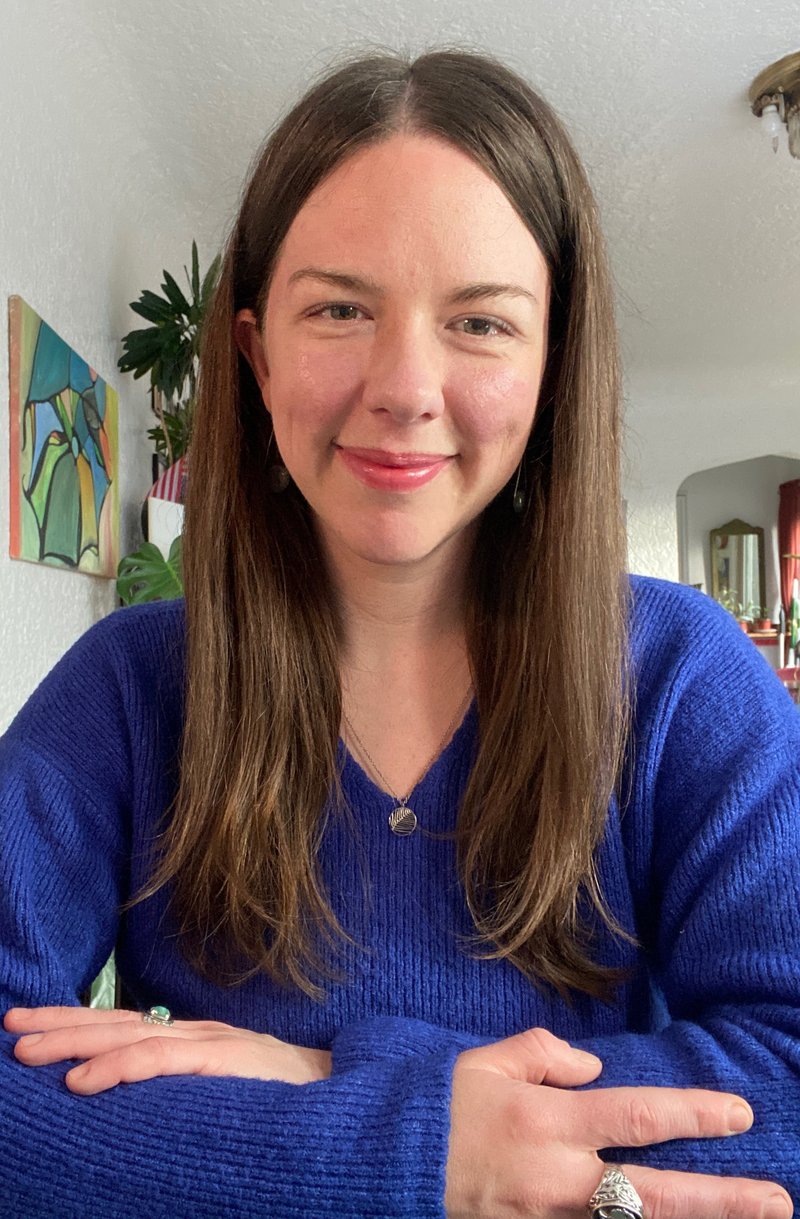 Jennifer Kenworthy, LMFTA (pending)Couples, trauma, OCD.View Profile ›
 Sheena Nicolay, LMFTADiverse relationships, anxiety, grief.View Profile ›
 Leah Maughan, LMFTAIFS, EFT, attachment-based.View Profile ›
 Monique Meissner, MFT InternCouples, EFT, anxiety.View Profile ›
 Ryan Carragher, LMFTACommunication, attachment styles.View Profile ›
 Jared Alleger, LMFTACouples, premarital, new parents.View Profile ›
More Services We Offer
 Individual TherapyOne-on-one support for anxiety, depression, grief and life transitions.Learn More ›
 Anxiety & OCD TherapyPractical help for worry, panic and a body that will not settle.Learn More ›
 Depression TherapySupport for low mood, exhaustion and loss of motivation.Learn More ›
 Intimacy & Relationship IssuesUnderstand the patterns that repeat across your relationships.Learn More ›
 Internal Family Systems (IFS) TherapyParts work for self-criticism, inner conflict and old wounds.Learn More ›
 Trauma & PTSD TherapyTrauma-informed care for PTSD, C-PTSD and childhood trauma.Learn More ›
 Emotionally Focused Therapy (EFT)Attachment-based work to break the cycle and rebuild emotional connection.Learn More ›From Our BlogHealing Trauma Through Connection — why relationships matter in the recovery process.Read the Article ›
Schedule Couples & Relationship Counseling in Renton or Online
Reach out to schedule a session or check your insurance coverage. We see clients in person at our Renton, WA office and online throughout Washington.