

Understand the Patterns That Keep Repeating
Relationship difficulties are not only about partners. They show up as distance, resentment, trouble trusting, recurring conflict, or a pattern that repeats across every close relationship you have. Therapy helps you see the pattern and change your part in it.
In person in Renton, WA · Online throughout Washington · Most insurance accepted
In Short
In person in Renton, WA
Online throughout Washington
Most insurance accepted
Self-pay $50–$175

Insurance
Premera, Cigna, Aetna, Kaiser, Molina, Coordinated Care, Community Health Plan, WellPoint, TriCare, United.
Availability
Now accepting new clients — in person and online.
Schedule Your Consultation ›
From Our Blog
What Are Intimacy & Relationship Issues?
Real intimacy lives in the overlap — staying yourself while staying close.
Intimacy and relationship work focuses on how you connect — emotionally and physically — with the people closest to you. That includes closeness that has faded, trust that was broken, or patterns that keep repeating across different relationships. You do not need to be in a relationship, or bring a partner, to work on this.
- Emotional or physical closeness has faded and you want it back
- You want to feel desired, or to want intimacy again yourself
- Something happened that broke trust, and you are deciding what comes next
- You notice the same relationship pattern repeating with different people
- You pull away when someone gets close, or panic when they pull away
- Past experiences make intimacy feel unsafe or complicated
- You want to talk about sex, desire, or intimacy without shame
Patterns That Repeat Across Relationships
- Choosing different partners and landing in the same dynamic anyway
- The anxious–avoidant loop: one pursues closeness, the other needs space, and both feel alone
- Fear of abandonment that makes you cling, test, or leave first
- Losing yourself in relationships — your needs always somehow negotiable
- Resentment and emotional distance that build quietly until you feel like strangers
- Walls that go up right when someone starts to matter
Attachment Style Snapshot
Four quick questions to get a general sense of your attachment style in relationships.
Q1. When my partner needs space, I usually…
Q2. In conflict, I tend to…
Q3. Opening up emotionally feels…
Q4. I trust my partner will be there for me…
This is a general self-reflection snapshot, not a clinical assessment.
Approaches That Help With Relationship Issues
Most relationship struggles trace back to something learned early about closeness and safety. Our therapists use attachment-based and emotion-focused work to make those patterns visible, then build practical skills for trust, boundaries and repair — whether you come alone or with a partner.
- Repeating arguments that never resolve
- Feeling more like roommates than partners
- Rebuilding closeness after a breach of trust
Because EFT treats disconnection as an attachment problem rather than a communication-skills problem, it works on the bond itself — the reaching, the responding, the safety — which is why the changes tend to hold. Read more about EFT →
- Fear of abandonment or of being crowded
- Patterns that repeat across every relationship
- Difficulty trusting or depending on others
Sessions do more than name your style — the steady, reliable relationship with your therapist becomes a place to practice a more secure way of connecting, so the new pattern is learned in relationship, where it has to live.
- Inner criticism and harsh self-talk
- Feeling pulled in two directions at once
- Old wounds that resurface in current relationships
The wall that goes up when someone starts to matter is a part with a job. IFS helps you meet that protector, learn what it is afraid would happen if it stood down, and renegotiate its role — instead of fighting your own defenses. Read more about IFS →
- Feeling unsafe or on guard in sessions
- Needing to control the pace of the work
- Past therapy that moved too fast
Where past harm shapes present closeness, pacing and consent come first: nothing moves faster than feels safe, and the work honors that your guardedness was once good judgment.
More About Intimacy & Connection
The mechanics under the patterns — open whichever one is yours.
How attachment styles actually form
They are templates, written early: when reaching for comfort reliably worked, you learned secure; when it worked sometimes, anxious; when it mostly did not, avoidant; when the source of comfort was also the source of fear, disorganized. None of this was your choice — and none of it is permanent. Styles shift toward security through consistent, safe relationships, including the one with your therapist.
Why vulnerability feels dangerous
If being fully seen ever cost you — ridicule, rejection, being used — your system filed openness under threat, and it has been protecting you since. The fix is not a leap; it is graded practice: small honest disclosures in safe company, experienced going well, repeated until your nervous system updates its file.
Rebuilding trust after betrayal
Trust is rebuilt by being consistently open, giving it time, and handling the hard moments well when they come up again — not by promises. The betrayed partner needs answers and consistency; the partner who broke trust needs to tolerate being doubted while proving change; and both need a pace that neither rushes forgiveness nor weaponizes the past. This is workable alone or in couples therapy.
Can I work on relationship patterns without a partner?
Yes — that is exactly what this work is. The patterns are yours and travel with you, so therapy addresses them at the source: understanding the template, meeting the protective parts, and practicing new moves that change how every relationship after this point goes. Single, dating, or partnered, the work lands.
What to Expect: Your First Session and Beyond
Fill out the contact form or call the office. We’ll match you with a therapist who fits and schedule a complimentary consultation.
Your therapist gets to know you — what brought you in and what you want to be different. Nothing about sex or intimacy is off-limits, and nothing is required.
Together you start naming the pattern you get caught in, and where it comes from.
Sessions continue at a pace that works for you — usually weekly to start — with regular check-ins on what’s changing and what still needs work.
Frequently Asked Questions
How much does relationship therapy cost?
Sessions run $50–$175 depending on which therapist you see. We accept most major insurance, self-pay is welcome, and a limited number of reduced-fee spots are available.
Can I go to relationship therapy without my partner?
Yes. A great deal of this work can be done on your own — understanding your own patterns changes the dynamic even when only one person is in the room.
Can therapy help after infidelity?
Yes. Several of our therapists work specifically with infidelity, betrayal and rebuilding trust.
Why do I keep having the same problems in every relationship?
Usually because of a pattern learned early about closeness and safety. Therapy makes that pattern visible so you can choose differently.
Is this the same as couples counseling?
They overlap. Couples counseling is specifically the two of you in the room. This work covers relationship and intimacy patterns more broadly, alone or together.
Does insurance cover therapy here?
We accept Premera Blue Cross, Cigna, Aetna, Kaiser Permanente, Molina (Medicaid), Coordinated Care, Community Health Plan, WellPoint, TriCare, and United Health Care. Coverage varies by plan, so contact us to verify yours before your first session.
Is online therapy as effective as in person?
Yes — telehealth sessions use the same approaches, and many clients find it easier to attend consistently. We offer online therapy throughout Washington.
How do attachment styles affect relationships?
Your attachment style — secure, anxious, avoidant, or disorganized — is the template your earliest relationships gave you for closeness. It shapes what feels safe, how you handle conflict, and what you do when someone matters. Styles are patterns, not diagnoses, and they can shift toward security with the kind of relational work we do here.
Is it awkward to talk about sex and intimacy in therapy?
It can feel that way at first, and that is normal. Your therapist has these conversations regularly and will not be shocked or judgmental. You control how much you share and when.
Is what I share in therapy confidential?
Yes. What you share in session is protected by therapist-client confidentiality and Washington state law. There are a small number of legally required exceptions (for example, imminent risk of harm to yourself or others), which your therapist will explain clearly before you begin.
Therapists Who Specialize in Intimacy & Relationship Issues
Click any therapist to read their full profile
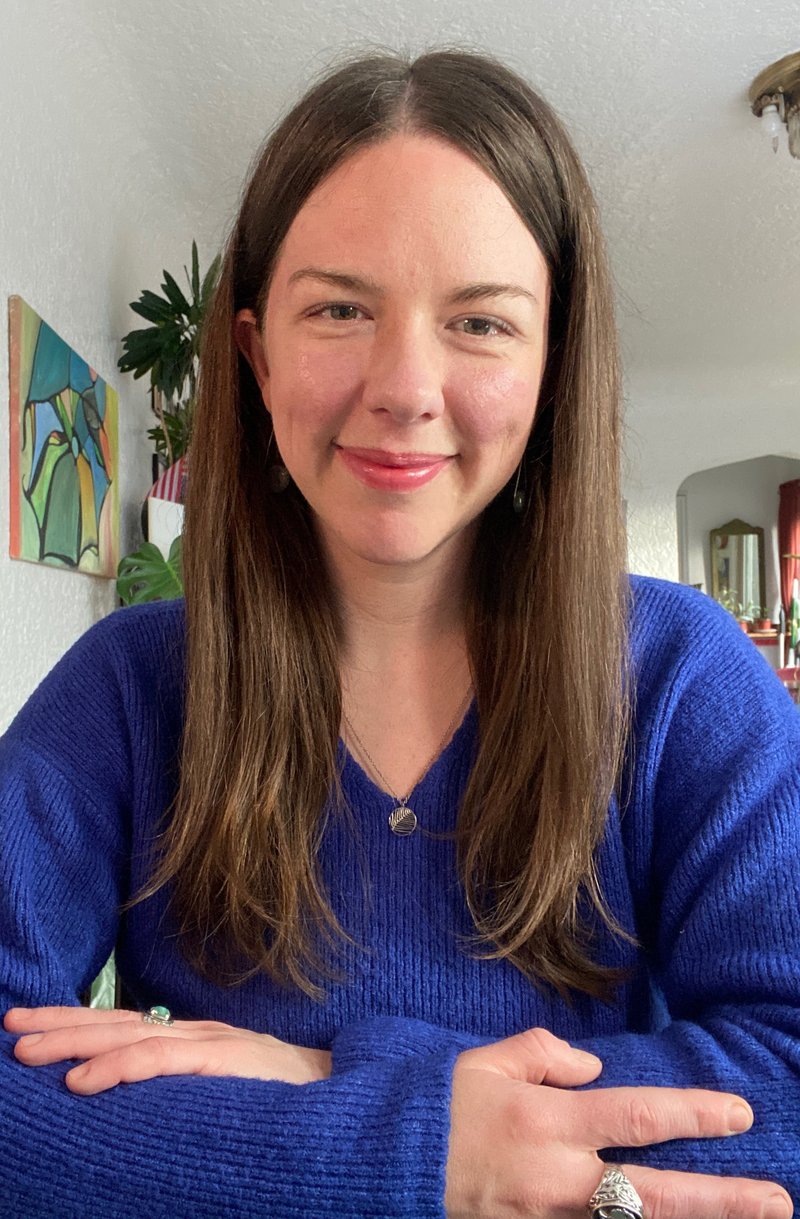 Jennifer Kenworthy, LMFTA (pending)Couples, trauma, OCD.View Profile ›
 Natalie Kim, LMFTAAttachment-based, integrative care.View Profile ›
 Sheena Nicolay, LMFTADiverse relationships, anxiety, grief.View Profile ›
 Monique Meissner, MFT InternCouples, EFT, anxiety.View Profile ›
 Jared Alleger, LMFTACouples, premarital, new parents.View Profile ›
More Services We Offer
 Individual TherapyOne-on-one support for anxiety, depression, grief and life transitions.Learn More ›
 Couples & Relationship CounselingRebuild communication, trust and connection with your partner.Learn More ›
 Anxiety & OCD TherapyPractical help for worry, panic and a body that will not settle.Learn More ›
 Depression TherapySupport for low mood, exhaustion and loss of motivation.Learn More ›
 Internal Family Systems (IFS) TherapyParts work for self-criticism, inner conflict and old wounds.Learn More ›
 Trauma & PTSD TherapyTrauma-informed care for PTSD, C-PTSD and childhood trauma.Learn More ›
 Emotionally Focused Therapy (EFT)Attachment-based work to break the cycle and rebuild emotional connection.Learn More ›From Our BlogHealing Trauma Through Connection — why relationships matter in the recovery process.Read the Article ›
Schedule Intimacy & Relationship Therapy in Renton or Online
Reach out to schedule a session or check your insurance coverage. We see clients in person at our Renton, WA office and online throughout Washington.